
Arrival
Joining the Journey
Indore
The first day, kept open so that guests can arrive when they are able. Check in, have lunch and dinner, and rest before the days ahead.
Nimad, Madhya Pradesh
Eight days in Nimad, the Narmada valley of western Madhya Pradesh, as guests at a traditional Hindu wedding. You join the journey in Indore, spend two days at the wedding — the haldi, the mehndi, the sangeet and the baraat — and an evening at the Nimad Utsav, the region's festival. The days that follow take you to Mandu, the fifteenth-century hilltop capital of the sultans of Malwa; to the villages and temples along the Narmada near Dharampuri; to Maheshwar, the river town from which Rani Ahilyabai Holkar ruled; to a night in a village home stay; and, on the last day, to Omkareshwar, a Hindu pilgrimage town on an island in the river.
The eight days
Eight days in Nimad, the Narmada valley of western Madhya Pradesh, as guests at a traditional Hindu wedding. You join the journey in Indore, spend two days at the wedding — the haldi, the mehndi, the sangeet and the baraat — and an evening at the Nimad Utsav, the region's festival. The days that follow take you to Mandu, the fifteenth-century hilltop capital of the sultans of Malwa; to the villages and temples along the Narmada near Dharampuri; to Maheshwar, the river town from which Rani Ahilyabai Holkar ruled; to a night in a village home stay; and, on the last day, to Omkareshwar, a Hindu pilgrimage town on an island in the river.
Indore
The first day, kept open so that guests can arrive when they are able. Check in, have lunch and dinner, and rest before the days ahead.
Nimad, Madhya Pradesh
The first day of the wedding: the haldi in the morning, the mehndi in the afternoon and the sangeet in the evening.
Nimad, Madhya Pradesh
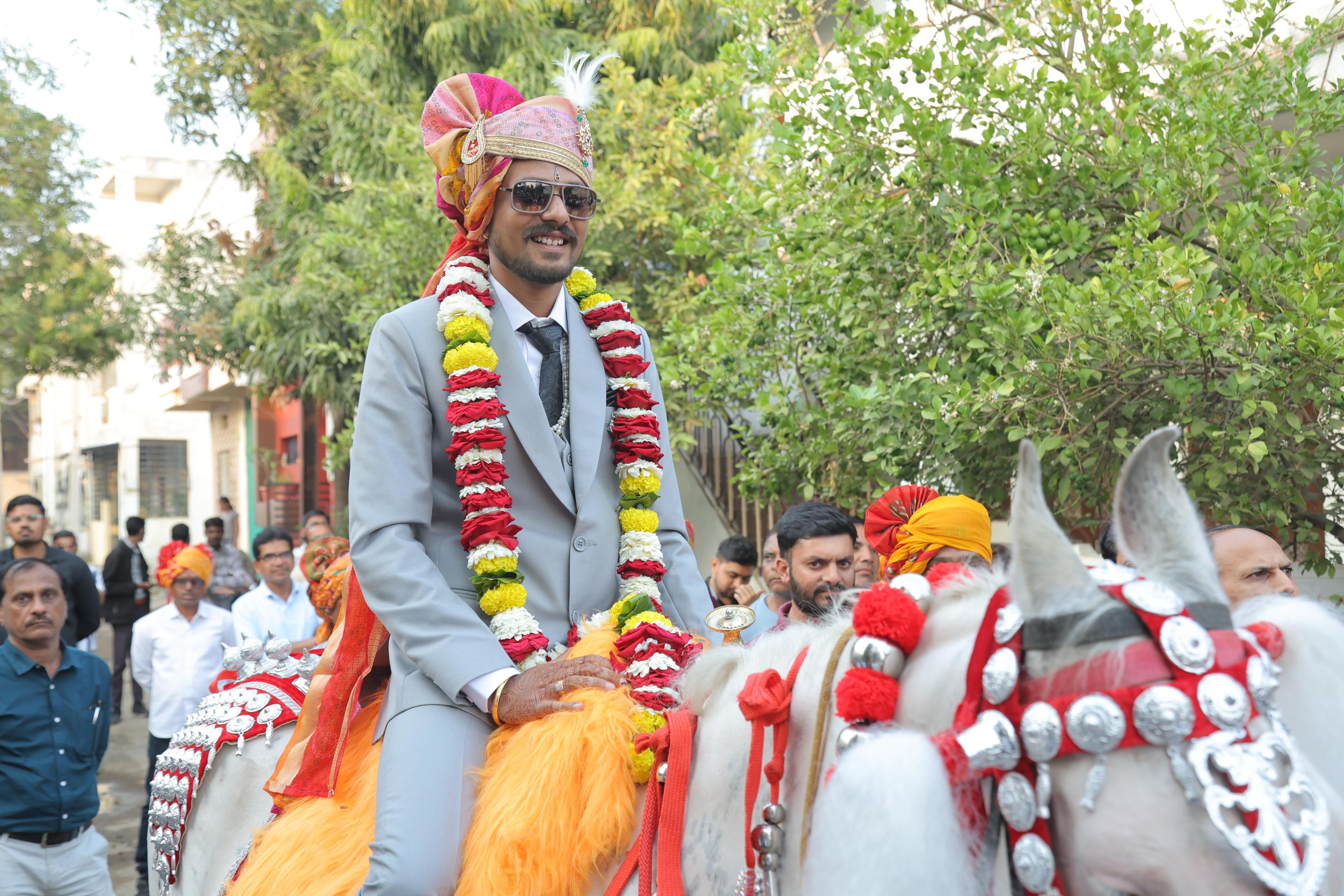
The second day of the wedding, which begins with the baraat, the groom's procession.
Nimad, Madhya Pradesh
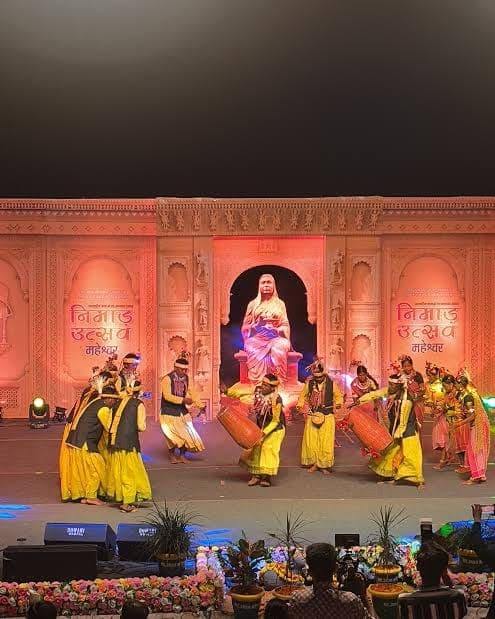
An evening of the festival of the Nimad region: the great aarti, the offering of lamps, folk and classical performances, an exhibition of Maheshwari crafts, a fair of local food, and boating on the water.
Mandav, Dhar district — on the edge of the Malwa plateau
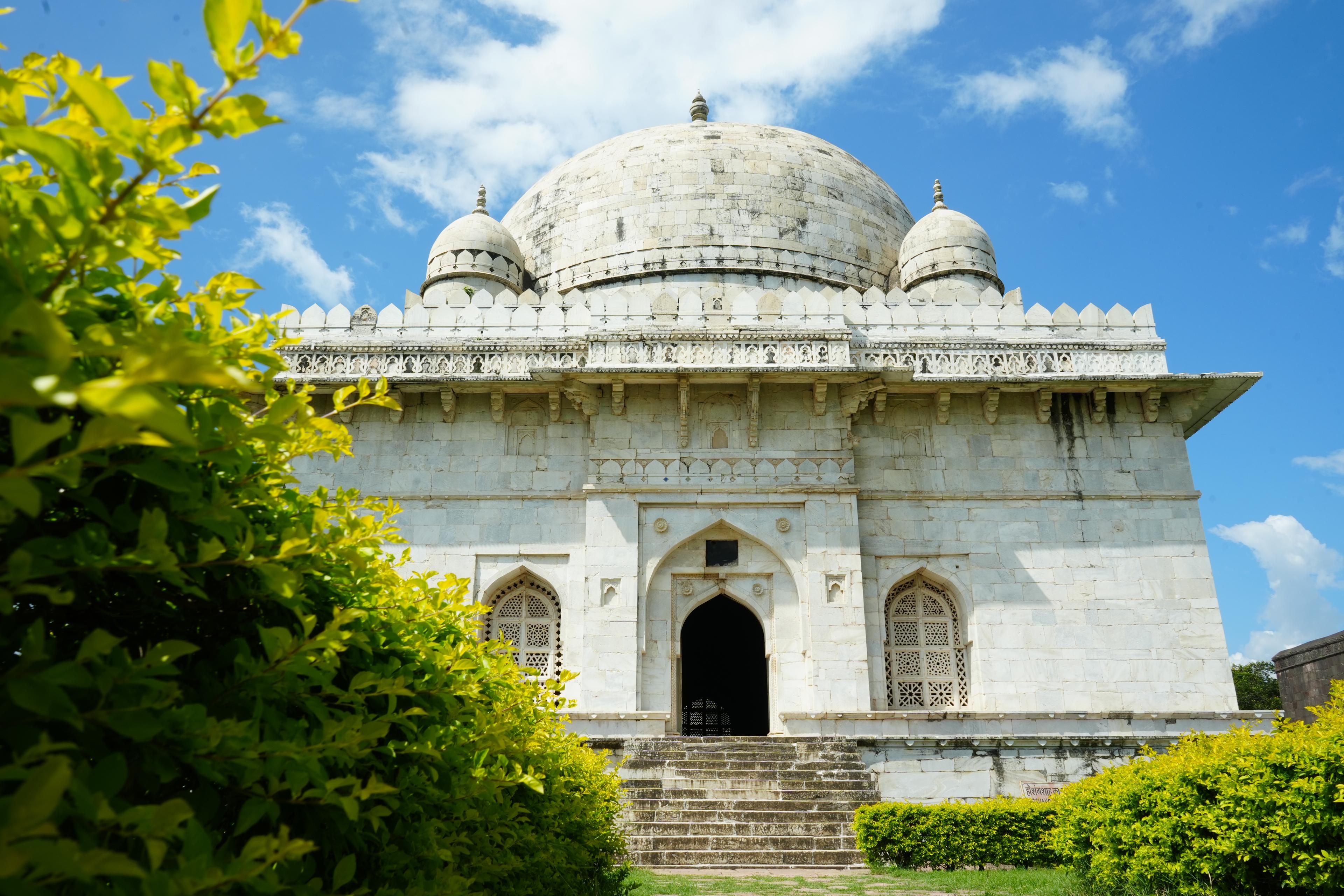
A walled city on a ridge of the Vindhya hills, high above the Narmada valley. Mandu was the capital of the sultans of Malwa in the fifteenth and sixteenth centuries, who called it Shadiabad, the City of Joy. Its palaces, mosques and tombs stand among lakes and baobab trees, inside walls that run for more than thirty kilometres. The first day takes in Rani Roopmati's Pavilion, the Jahaz Mahal and Hindola Mahal, Champa Baoli, the Jama Masjid and Hoshang Shah's Tomb.
Mandav, Dhar district — on the edge of the Malwa plateau
A walled city on a ridge of the Vindhya hills, high above the Narmada valley. Mandu was the capital of the sultans of Malwa in the fifteenth and sixteenth centuries, who called it Shadiabad, the City of Joy. Its palaces, mosques and tombs stand among lakes and baobab trees, inside walls that run for more than thirty kilometres. The second day takes in Baz Bahadur's Palace, the Ashrafi Mahal, the Chhappan Mahal Museum and the Rewa Kund.
Dharampuri, Dhar district — on the Narmada
A day around Dharampuri, a town on the banks of the Narmada in Dhar district: the Dharampuri Dweep Mahal, the temples along the river, a walk through a village and a visit to a local farm.
Maheshwar, Khargone district — on the north bank of the Narmada
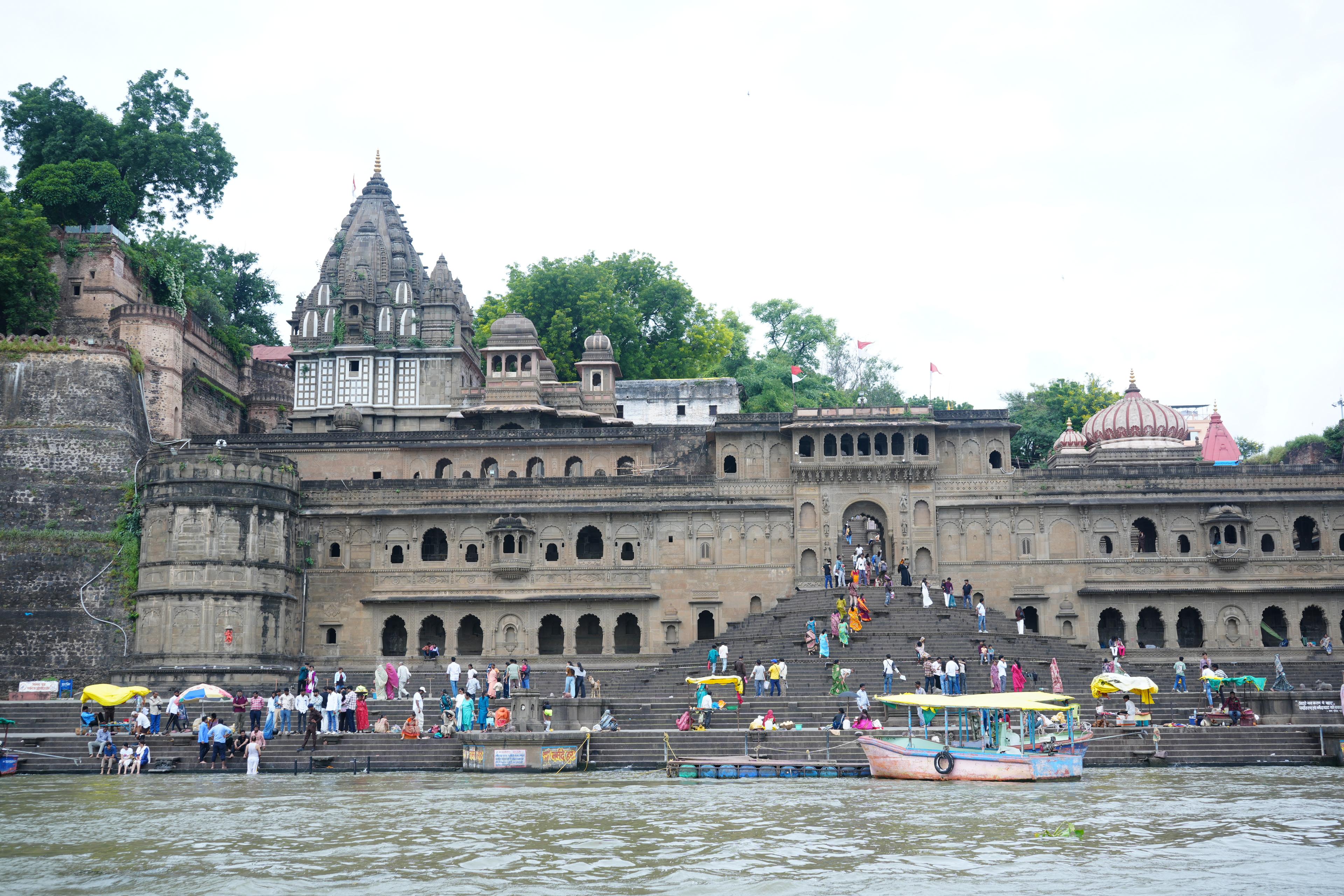
A temple town on the Narmada, and from 1767 to 1795 the seat of Rani Ahilyabai Holkar, who ruled the Holkar state from here. Her fort stands above long stone ghats lined with temples and carved memorials, and the handloom weaving she encouraged still fills the town's workshops.
A village home in Nimad
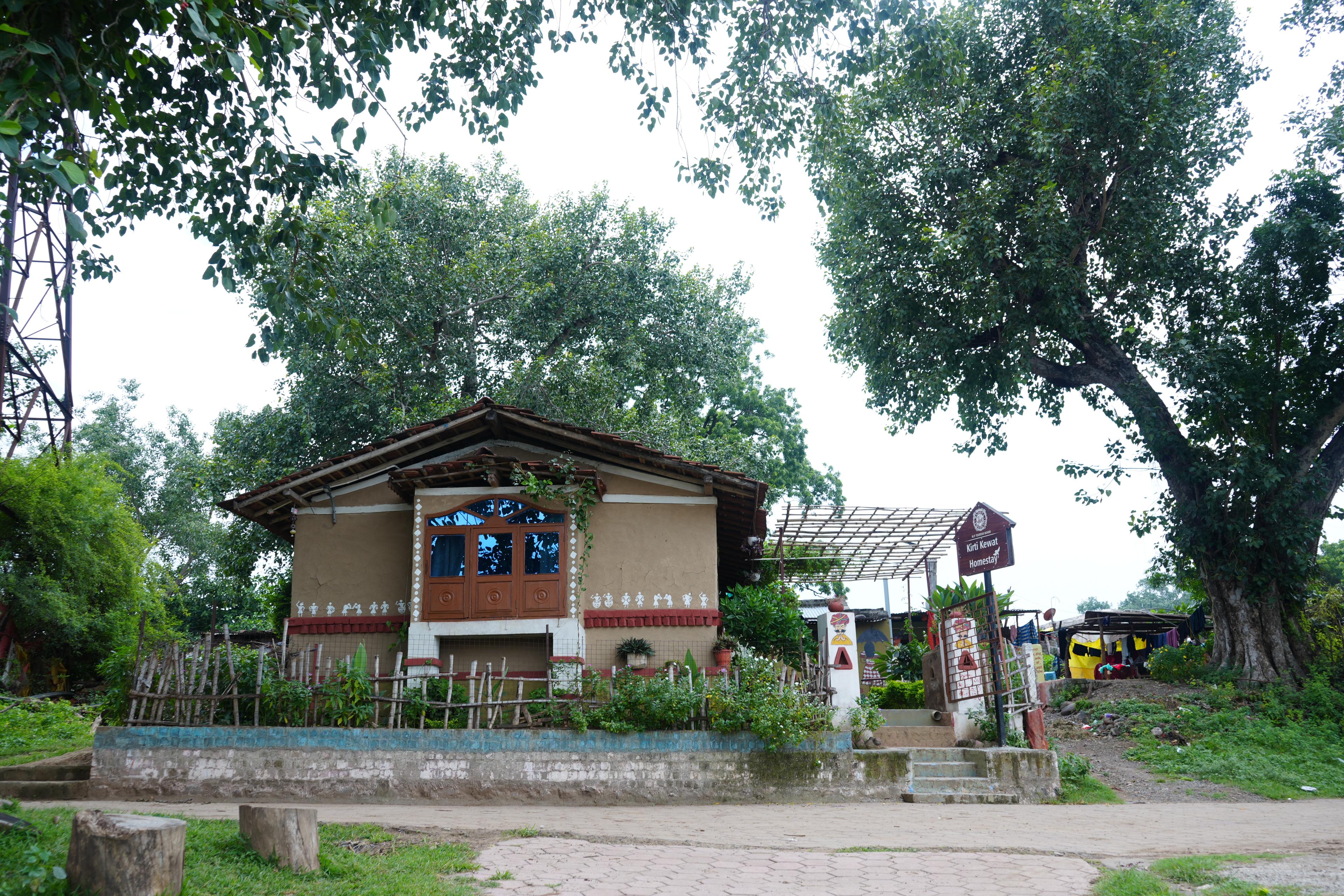
A night with a local family: dinner at the home, and the night's stay.
Mandhata island, Omkareshwar — on the Narmada
Omkareshwar is a Hindu pilgrimage town on Mandhata, an island in the Narmada, and the site of one of the twelve jyotirlingas of Shiva. The day takes in the Jyotirlinga temple, Mamleshwar on the south bank, Ekatma Dham, the Gauri Somnath temple and the meeting of the Narmada and the Kaveri.
What happens, hour by hour
10:00 am – 10:00 pm
Wed 25 Nov
Guests arrive at their own hour through the day and check in.
12:00 pm – 2:00 pm
Wed 25 Nov
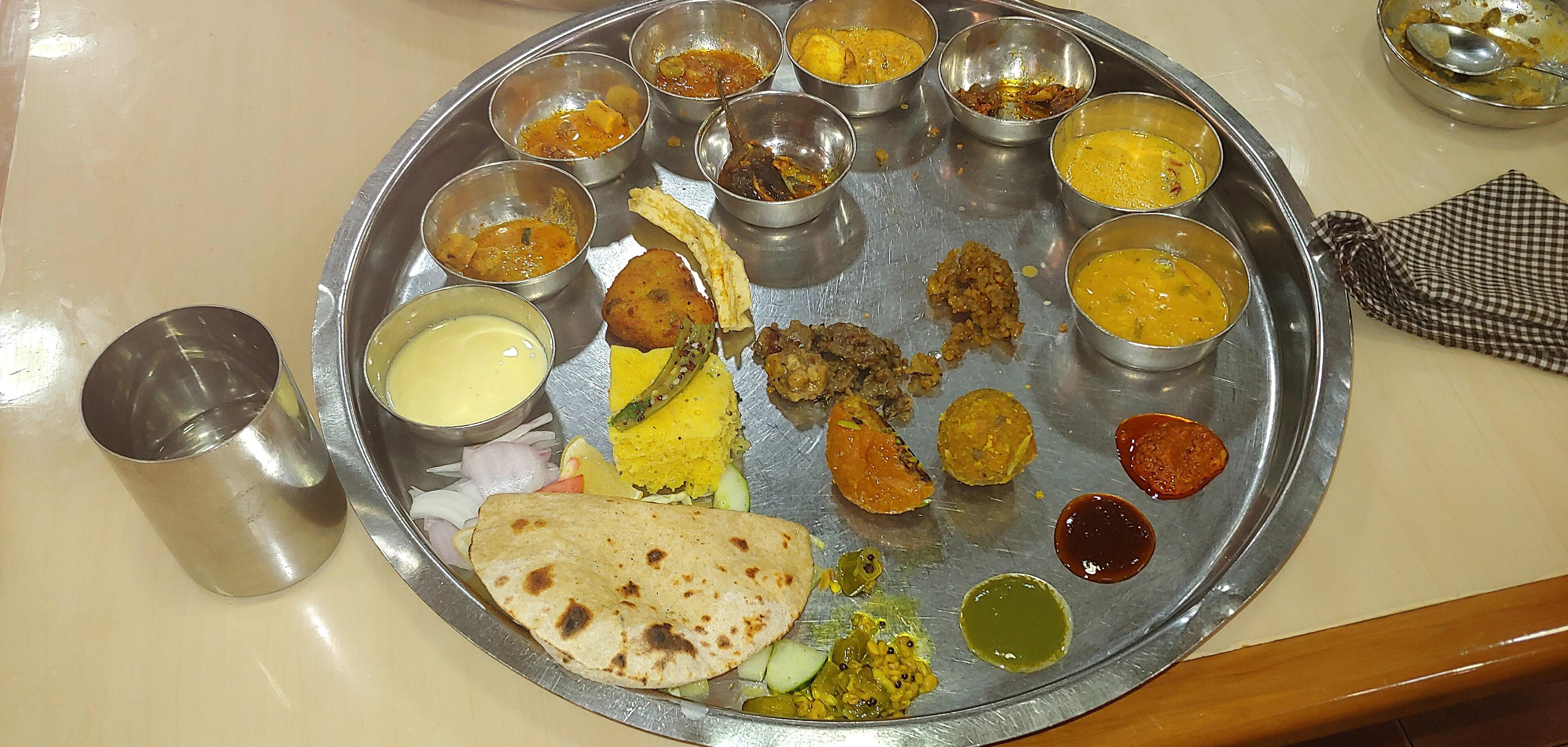
Lunch, taken in the middle of the day.
2:00 pm – 5:00 pm
Wed 25 Nov
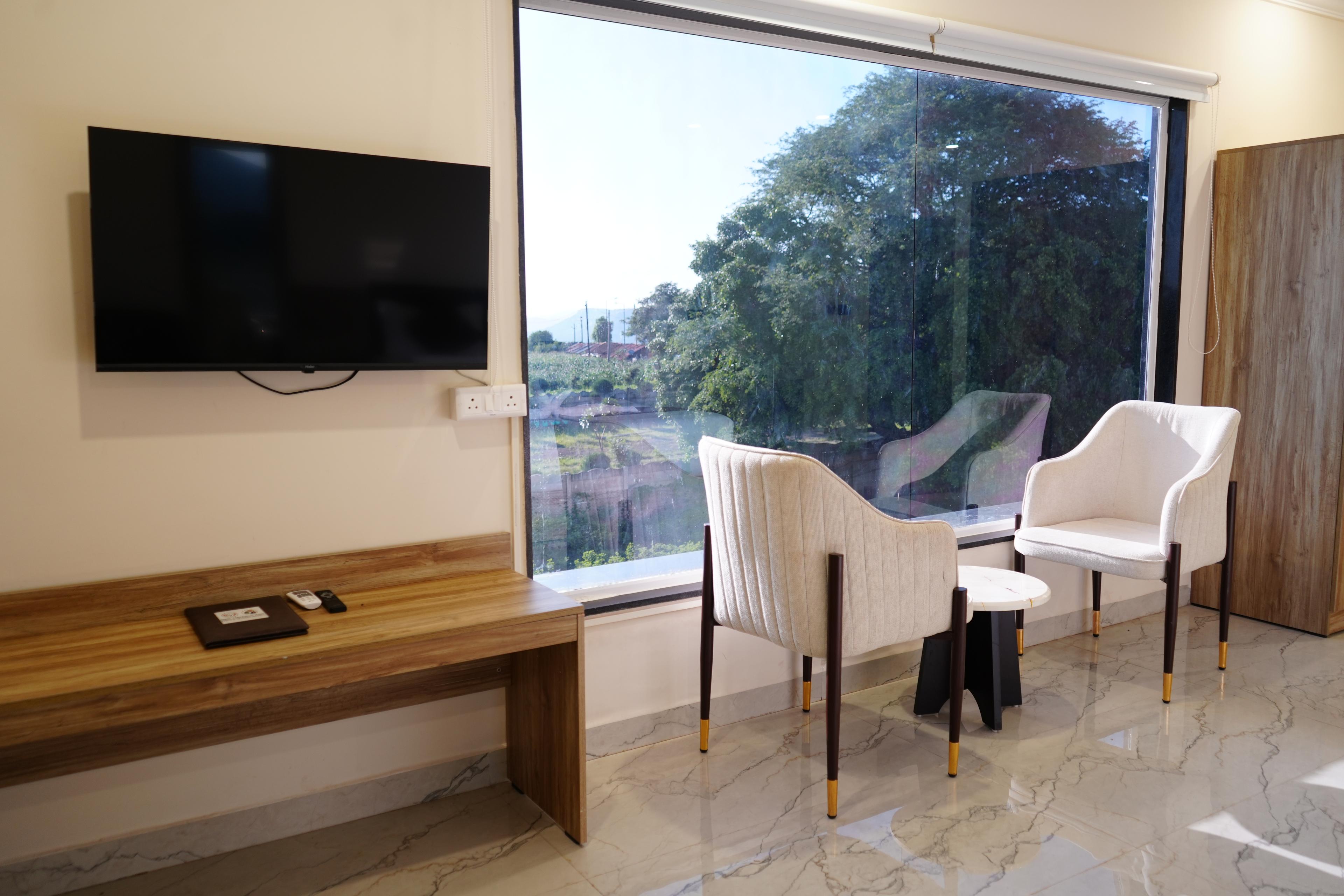
Time to rest before the days ahead begin.
8:00 pm – 10:00 pm
Wed 25 Nov
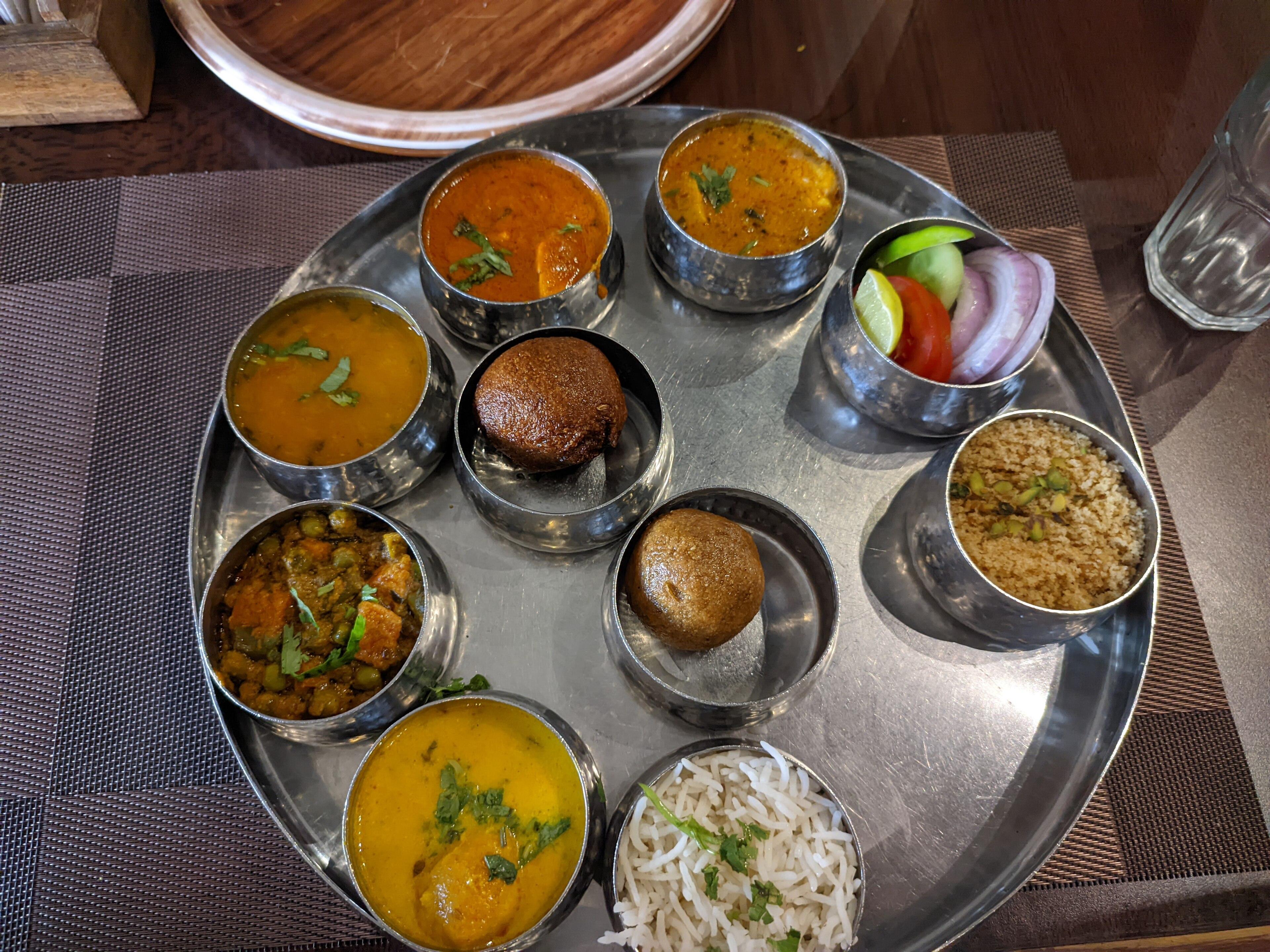
Dinner, taken together in the evening.
10:00 pm
Wed 25 Nov
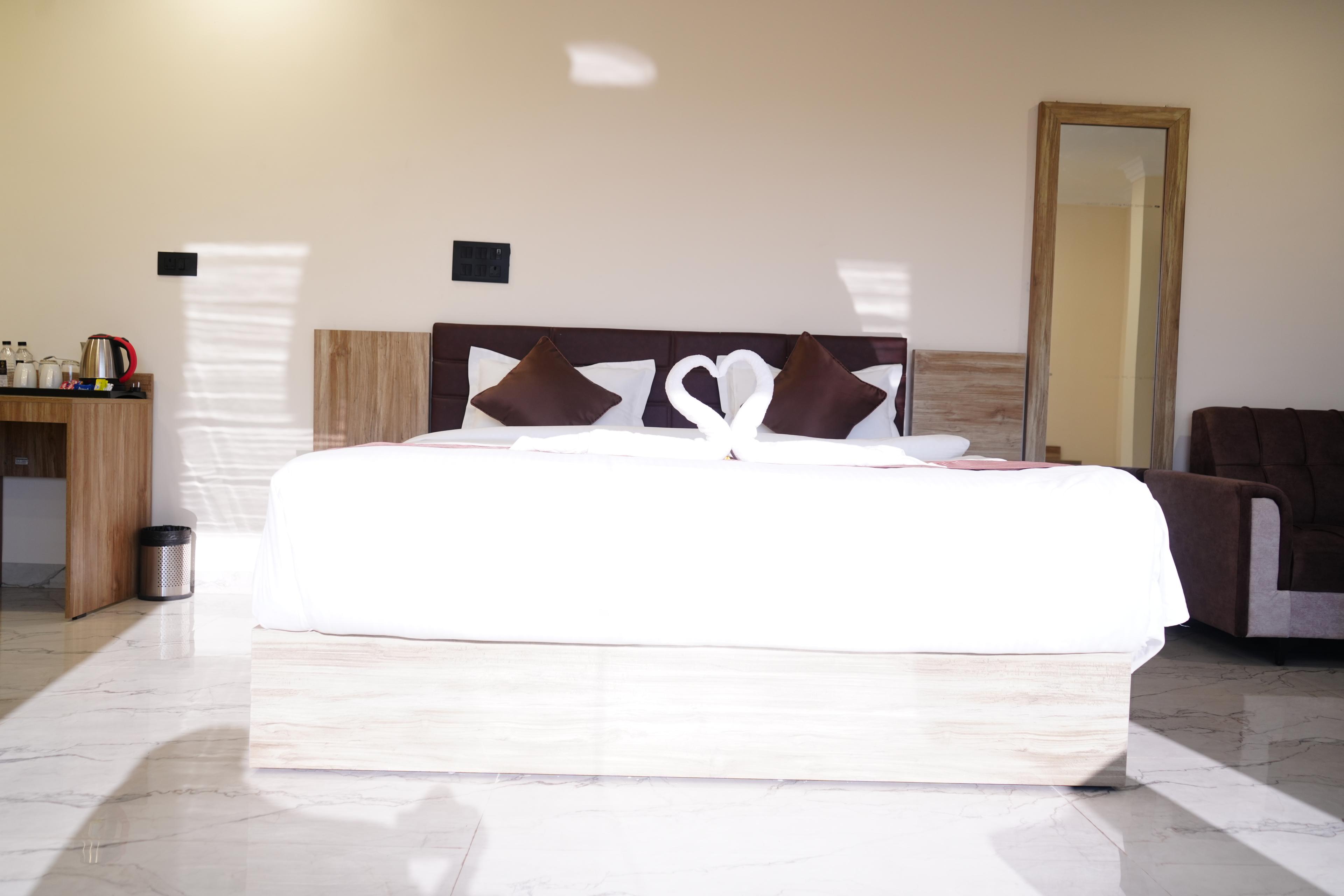
The night's rest, before the days ahead.
8:00 am – 8:30 am
Thu 26 Nov
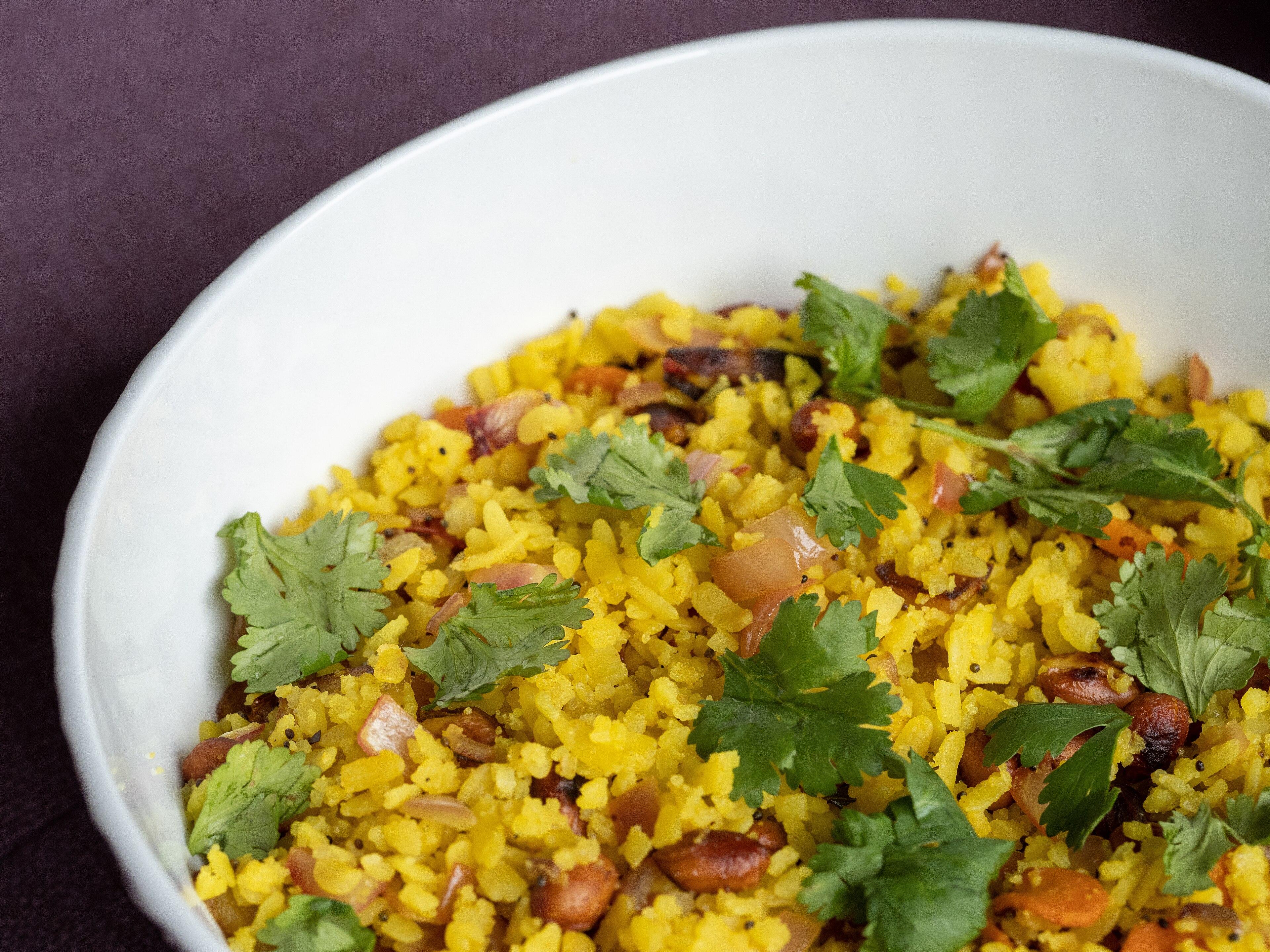
The first meal of the day, taken before the day's programme begins.
10:00 am – 11:00 am
Thu 26 Nov
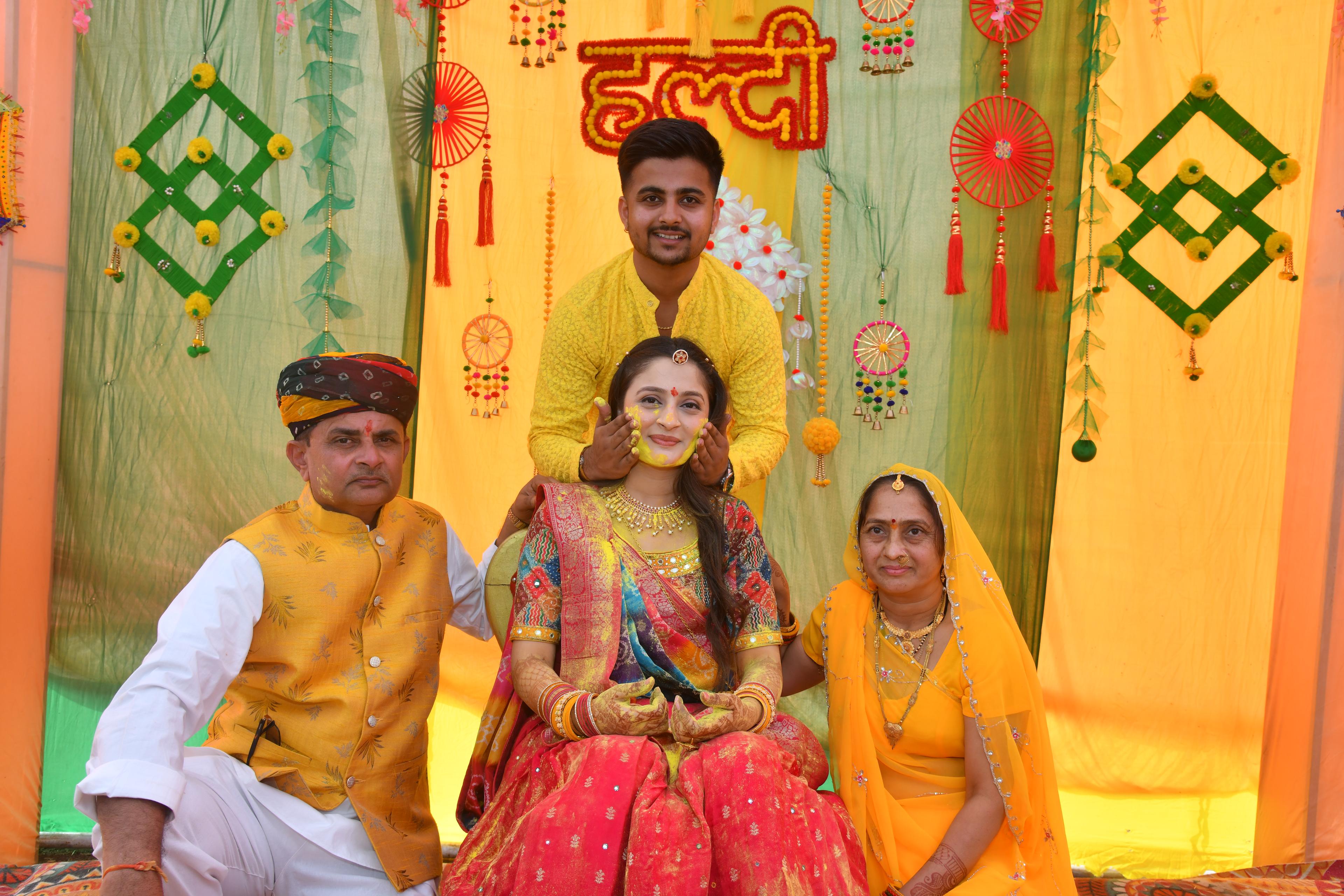
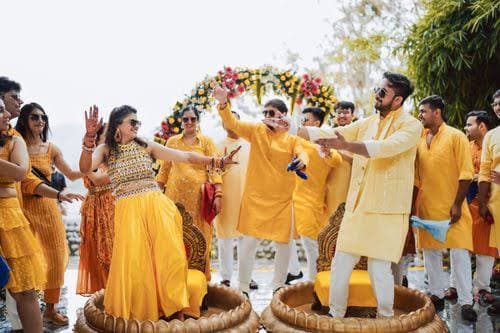
A paste of turmeric is applied to the bride and the groom, each in their own home, by relatives in turn. It is meant to bless and purify them before the wedding, and the yellow ends up on everyone present, guests included.
12:00 pm – 2:00 pm
Thu 26 Nov
The lunch served to the wedding guests.
2:00 pm – 3:00 pm
Thu 26 Nov
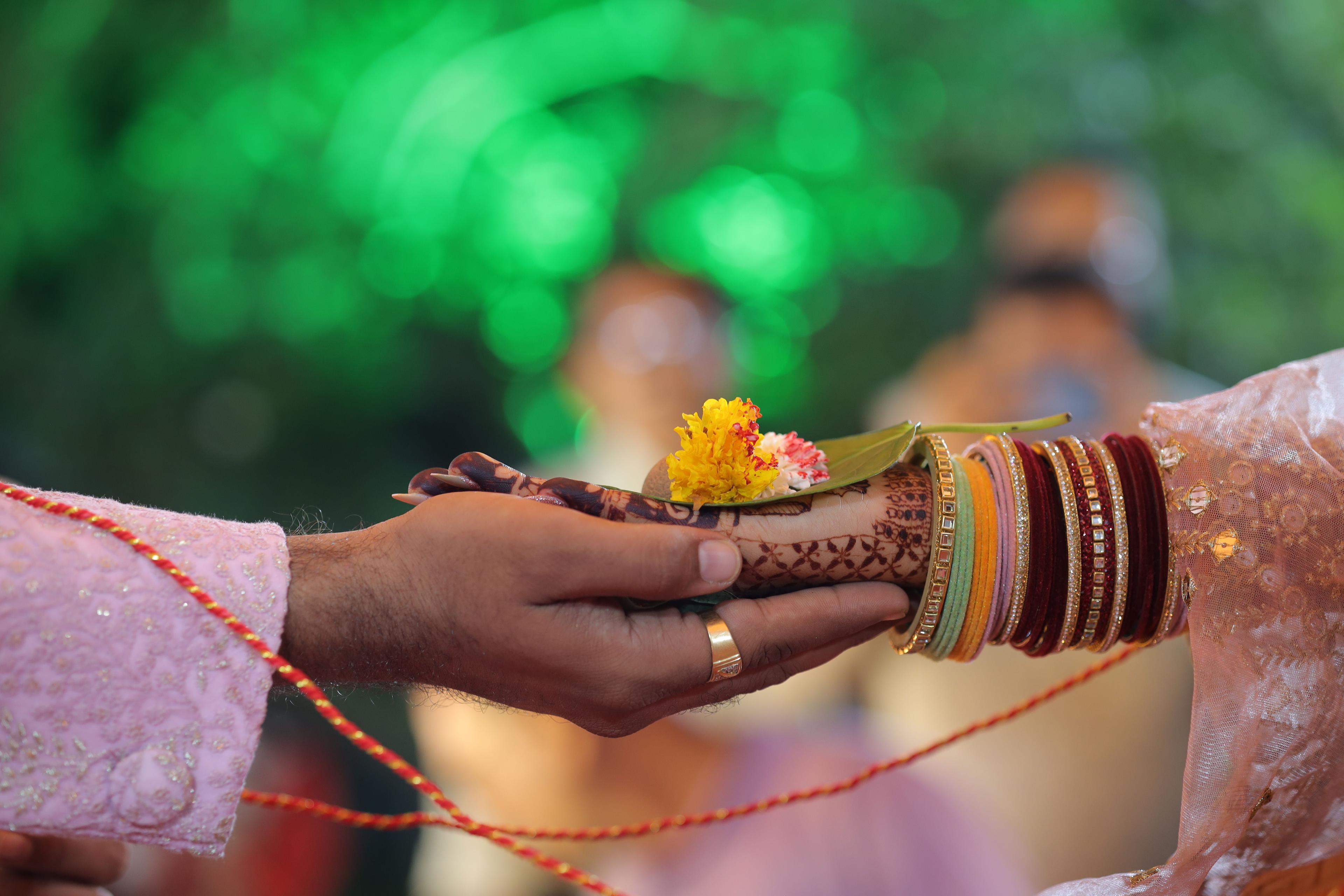
Henna is drawn in fine patterns on the bride's hands and feet, and on the hands of the women of the family. It is left to dry and darken, and a deep colour is taken as a good sign for the marriage. Guests are welcome to have theirs done too.
8:00 pm – 12:00 am
Thu 26 Nov
The dinner served to the wedding guests.
8:00 pm – 11:00 pm
Thu 26 Nov
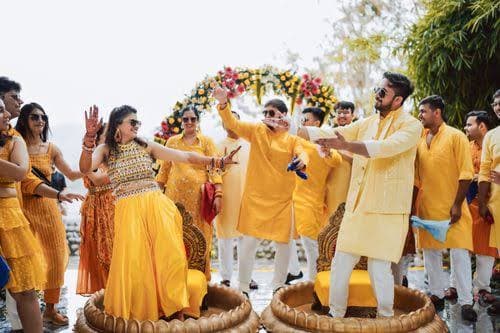
An evening of song and dance, one of the best-loved celebrations before a wedding. Relatives and friends of both families sing, dance and perform for the couple.
8:00 am – 10:00 am
Fri 27 Nov
The first meal of the day, taken before the day's programme begins.
9:00 am – 11:00 am
Fri 27 Nov
The groom's procession to the bride's home. He rides a decorated horse, with family and friends dancing ahead of him to a band and the dhol. The bride's family receives the baraat at the gate.
12:00 pm – 1:00 pm
Fri 27 Nov
Lunch, taken in the middle of the day.
4:00 pm – 11:00 pm
Fri 27 Nov
The festival's great evening aarti: lamps are waved in worship, to hymns and the sound of bells.
4:00 pm – 11:00 pm
Fri 27 Nov
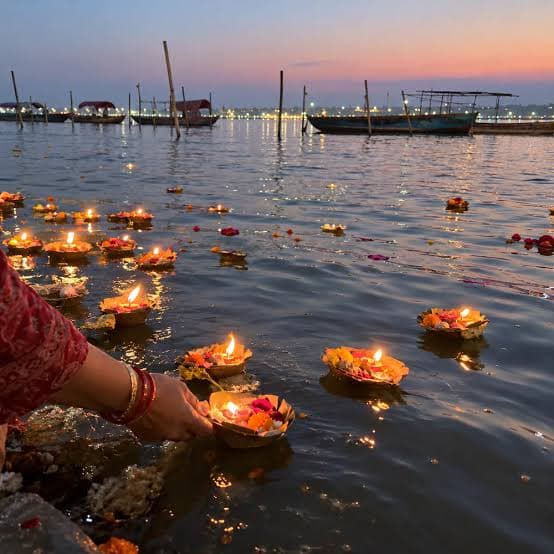
Deepdaan is the offering of lighted lamps, which are often set afloat on the water. Each lamp is lit as an act of devotion and thanks.
4:00 pm – 11:00 pm
Fri 27 Nov
Folk dances and classical music and dance, performed by artists of the region.
4:00 pm – 11:00 pm
Fri 27 Nov
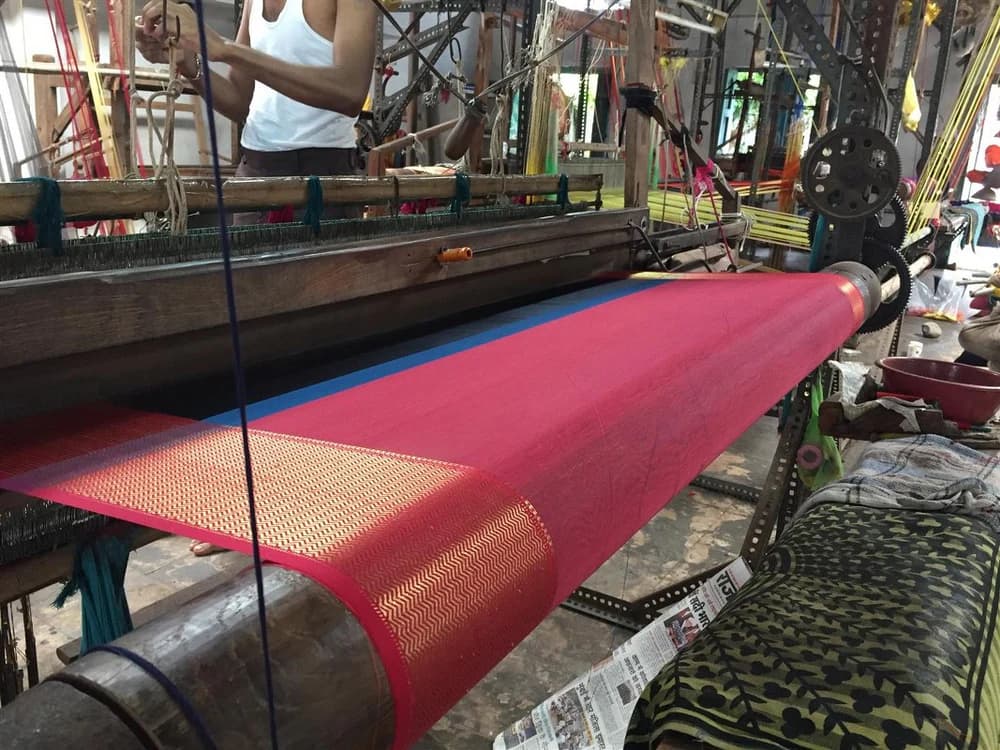
An exhibition of the crafts of Maheshwar, above all its handloom weaving, which gives the Maheshwari sari.
4:00 pm – 11:00 pm
Fri 27 Nov
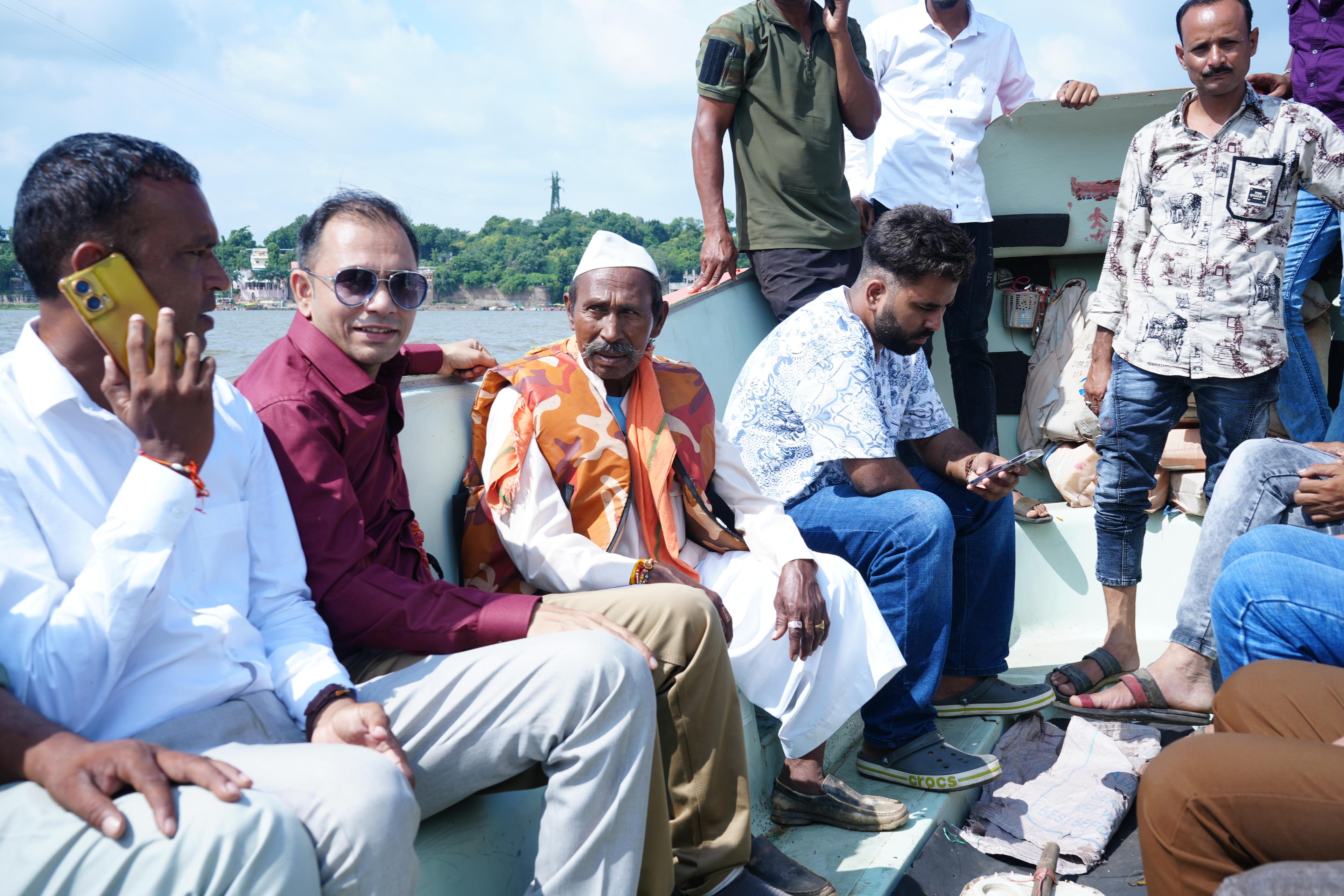
Boating and water sports on the water.
8:00 pm – 10:00 pm
Fri 27 Nov
Dinner, taken together in the evening.
8:00 am – 10:00 am
Sat 28 Nov
The first meal of the day, taken before the day's programme begins.
10:00 am – 7:00 pm
Sat 28 Nov
A pavilion at the very edge of the plateau, some 365 metres above the Nimar valley, which seems first to have been built as a watchtower. Tradition connects it with Roopmati, the singer loved by Baz Bahadur, who is said to have come here to look out over the sacred Narmada. On a clear day the river can be seen on the plain far below.
10:00 am – 7:00 pm
Sat 28 Nov
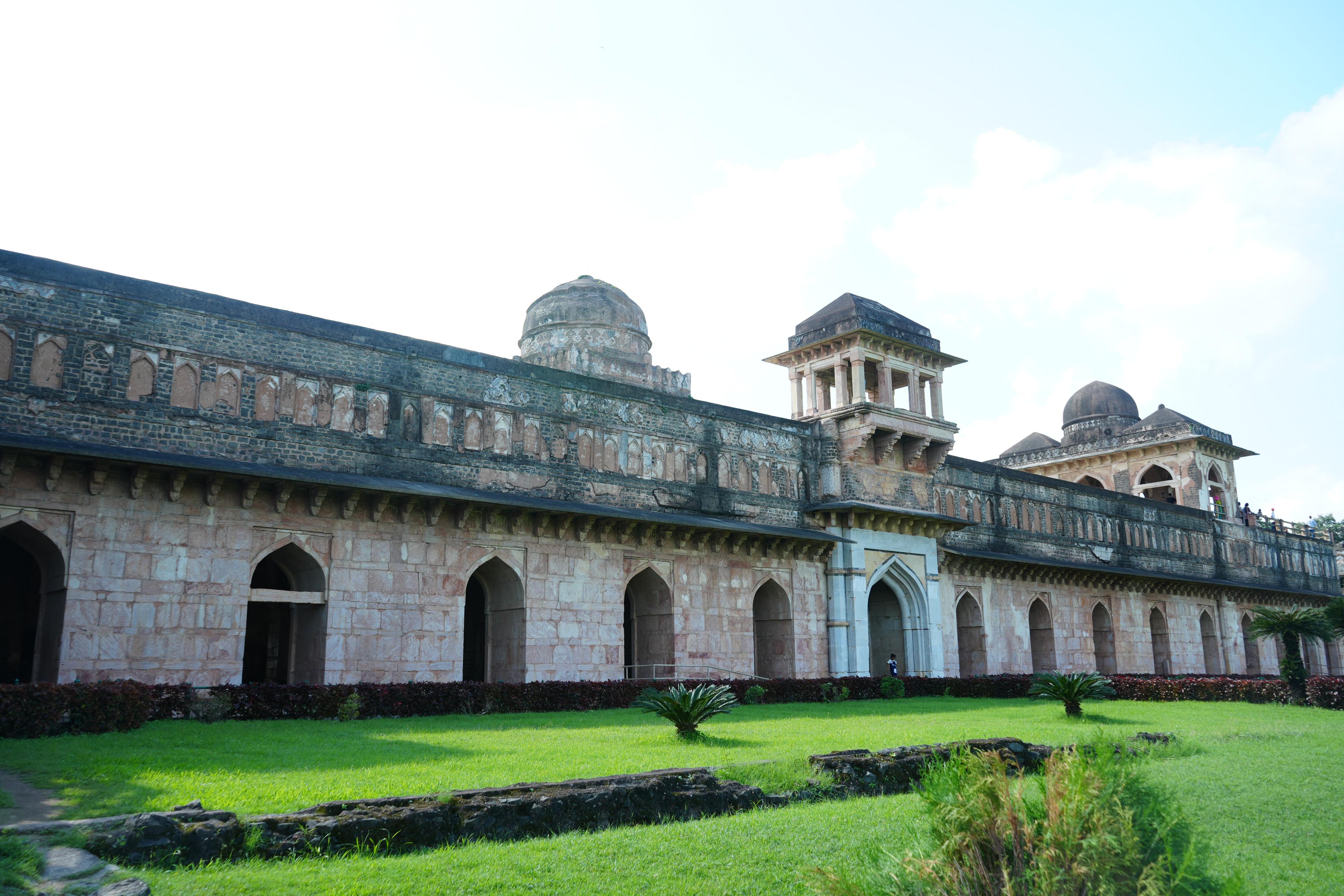
The Ship Palace, built in the late fifteenth century under Sultan Ghiyas-ud-din Khalji. It stands long and narrow between two lakes, Munj Talao and Kapur Talao, so that from the water it looks like a ship at anchor. On its roof are open pavilions and a pool, once filled through stone water channels.
10:00 am – 7:00 pm
Sat 28 Nov
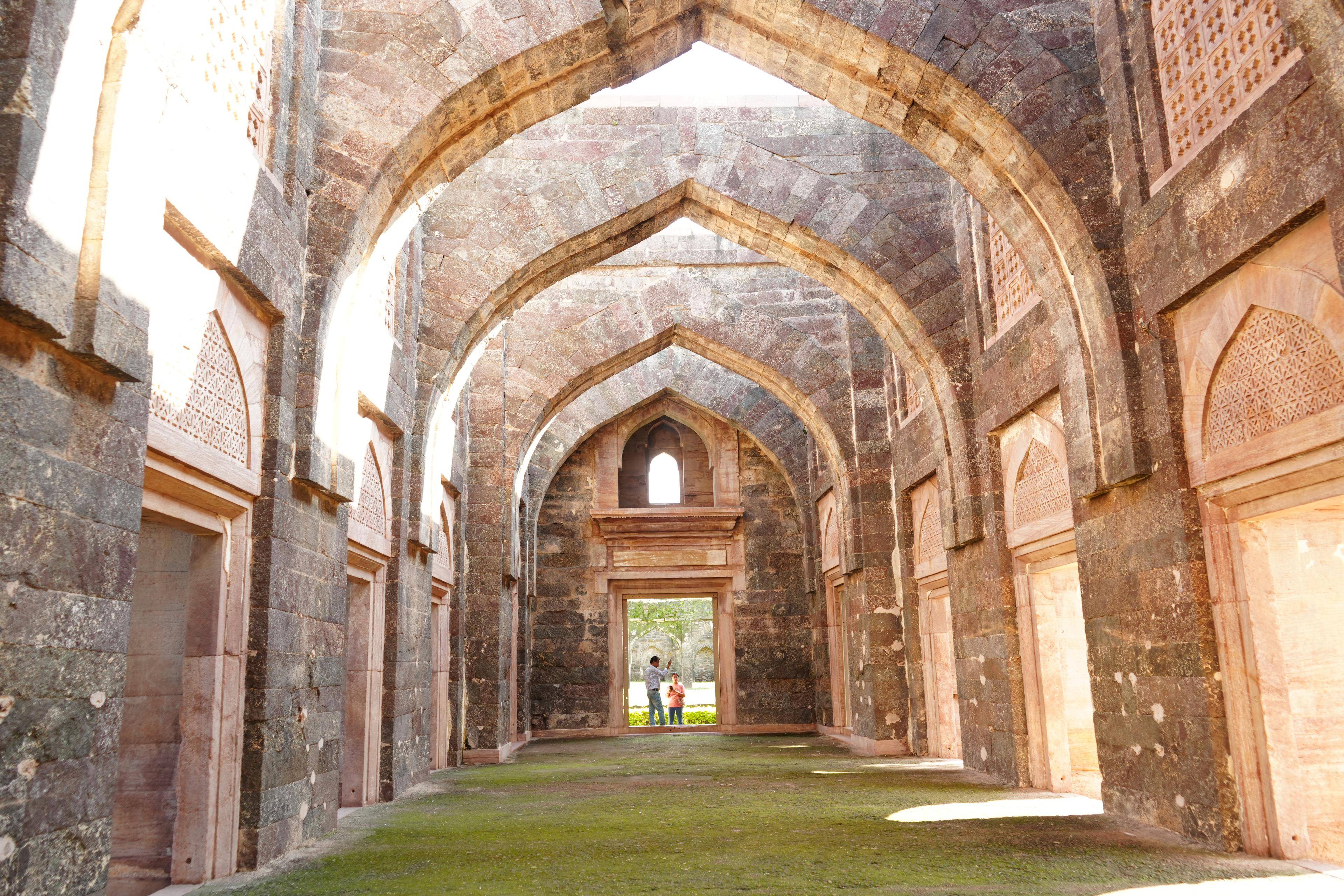
The Swinging Palace, beside the Jahaz Mahal. Its side walls slope steeply inward, which makes the building seem to sway when seen from an angle — hence the name. It is thought to have served as an audience hall, and its broad, gentle ramps are said to have let the sultan ride in on an elephant.
10:00 am – 7:00 pm
Sat 28 Nov
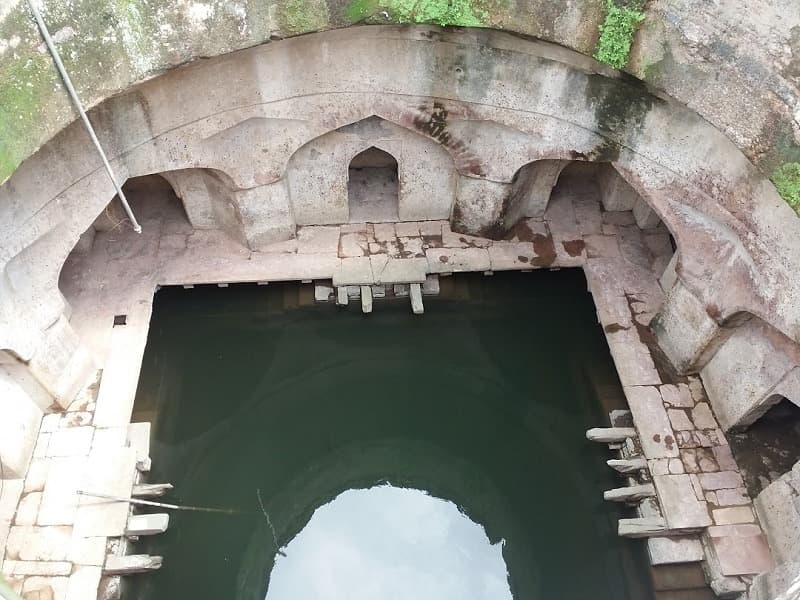
A stepwell in the royal enclave. Its lowest level has a series of vaulted rooms, which the court used to escape the heat of summer. The name is said to come from the scent of champa flowers in its water.
10:00 am – 7:00 pm
Sat 28 Nov
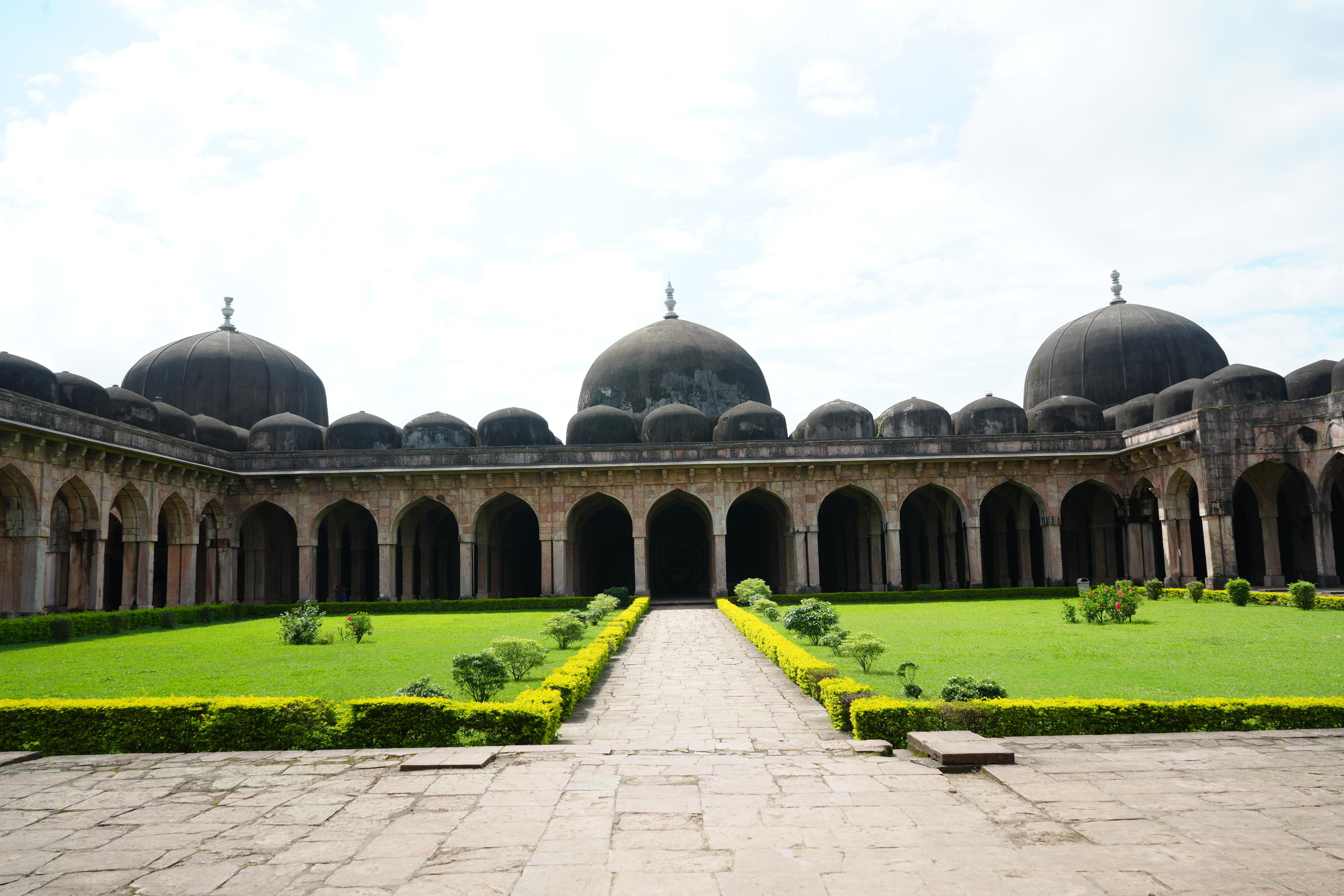
Begun by Hoshang Shah and completed in 1454 under Mahmud Khalji. A broad flight of steps leads up to a domed entrance porch and into a large courtyard, enclosed on every side by colonnades roofed with rows of small domes.
10:00 am – 7:00 pm
Sat 28 Nov
The tomb of Hoshang Shah, who made Mandu his capital early in the fifteenth century. Faced in white marble and crowned by a single dome, it is regarded as one of the oldest marble buildings in India. An inscription at the entrance records that in 1659 four architects sent by the emperor Shah Jahan came to study it.
12:00 pm – 2:00 pm
Sat 28 Nov
Lunch, taken in the middle of the day.
8:00 pm – 10:00 pm
Sat 28 Nov
Dinner, taken together in the evening.
8:00 am – 10:00 am
Sun 29 Nov
The first meal of the day, taken before the day's programme begins.
10:00 am – 7:00 pm
Sun 29 Nov
Built in 1508–09 by Sultan Nasir Shah, as an inscription at the palace records, on the hill slope beside the Rewa Kund reservoir. It is named after Baz Bahadur, the last independent sultan of Malwa and a celebrated musician, who took to it for its nearness to the Rewa Kund, which Roopmati often visited. Halls and terraces surround a central courtyard and pool.
10:00 am – 7:00 pm
Sun 29 Nov
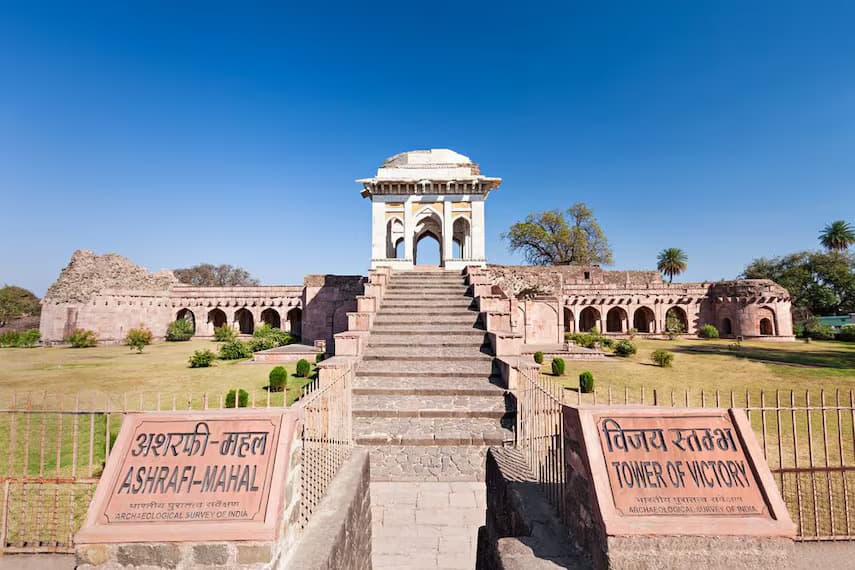
The Palace of Gold Coins, a ruined fifteenth-century building that began as a madrasa, a school for religious instruction. Mahmud Khalji later enlarged it with a tomb and a tall victory tower.
10:00 am – 7:00 pm
Sun 29 Nov
A small museum in the royal enclave, where old sculptures found among the ruins of Mandu are kept.
10:00 am – 7:00 pm
Sun 29 Nov
A reservoir built by Baz Bahadur to bring water to his palace and to the pavilion of Roopmati above it. Pilgrims who walk round the Narmada have bathed here, and it was believed that the river rises from the tank.
12:00 pm – 2:00 pm
Sun 29 Nov
Lunch, taken in the middle of the day.
8:00 pm – 10:00 pm
Sun 29 Nov
Dinner, taken together in the evening.
8:00 am – 9:00 am
Mon 30 Nov
The first meal of the day, taken before the day's programme begins.
9:00 am – 7:00 pm
Mon 30 Nov
A visit to the Dweep Mahal in Dharampuri, the town that stands on an island between two streams of the Narmada. Dweep means island.
9:00 am – 7:00 pm
Mon 30 Nov
A tour of the temples along the Narmada near Dharampuri. Hindus hold the river sacred, and its banks are lined with shrines.
9:00 am – 7:00 pm
Mon 30 Nov
A walk through the village of Sundrel: its lanes and homes, its fields, and the people who live and work there. A chance to see everyday village life up close and to meet local families.
9:00 am – 7:00 pm
Mon 30 Nov
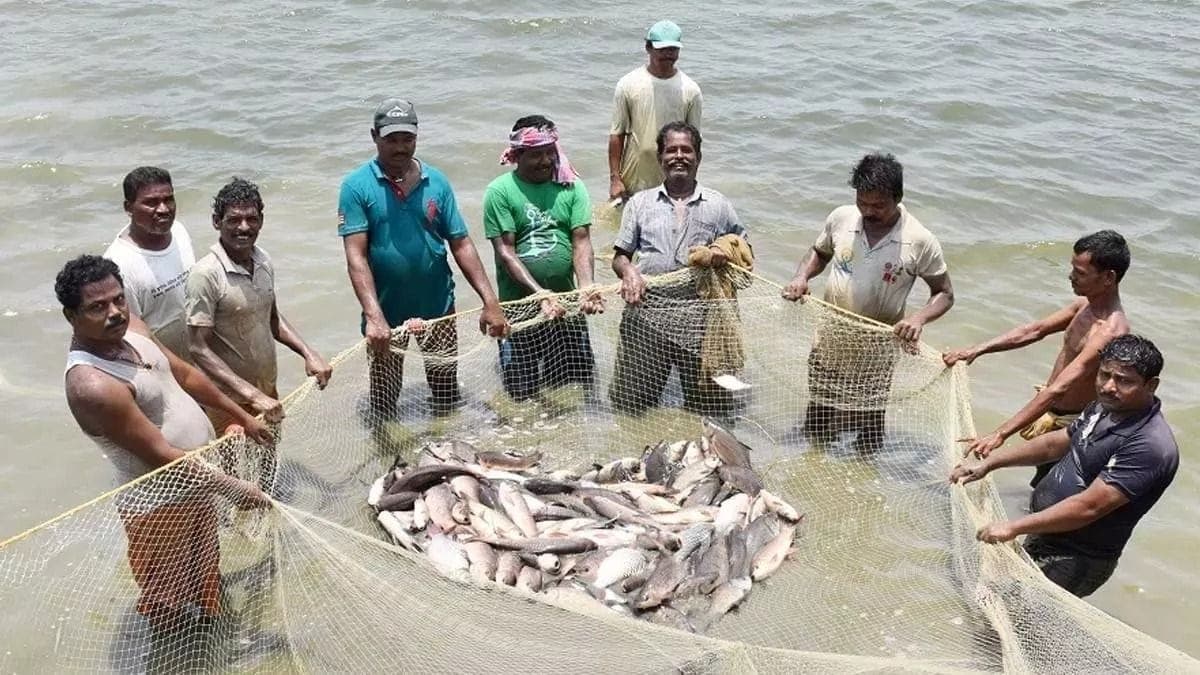
A visit to a working fish farm and a goat farm. You see how the fish are raised and how the goats are kept and cared for, and you can talk with the farmers about their work.
12:00 pm – 2:00 pm
Mon 30 Nov
Lunch, taken in the middle of the day.
8:00 pm – 10:00 pm
Mon 30 Nov
Dinner, taken together in the evening.
8:00 am – 9:00 am
Tue 1 Dec
The first meal of the day, taken before the day's programme begins.
10:00 am – 7:00 pm
Tue 1 Dec
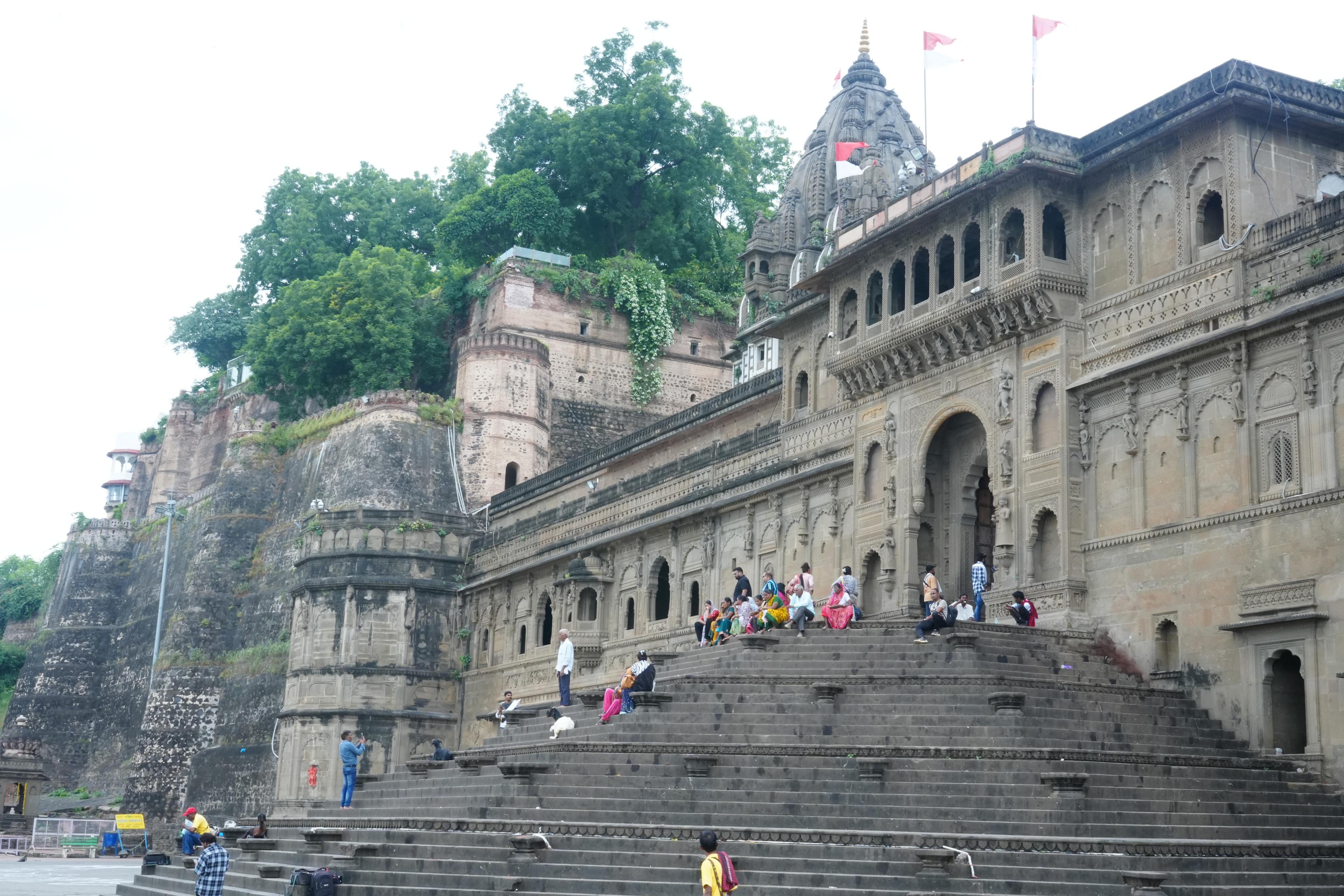
The fort above the river, from which Ahilyabai Holkar governed. Inside are the Rajwada — the modest residence where she held court — temples, and gateways and walls carved with figures and friezes. From the ramparts the ghats run below you along the water.
10:00 am – 7:00 pm
Tue 1 Dec
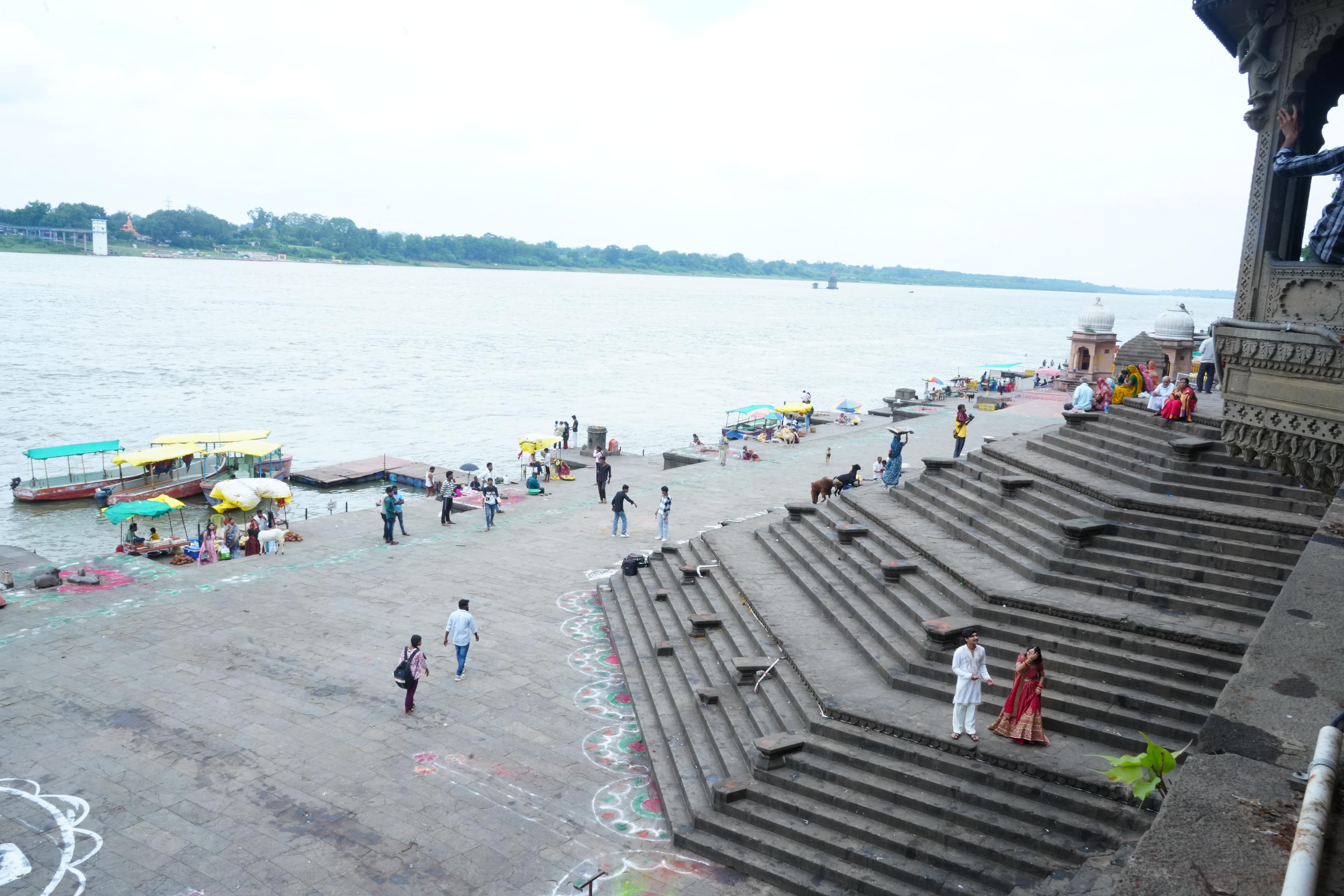
Stone steps run down to the Narmada along the length of the town, and people come to bathe, pray and wash at every hour. Along them stand temples and chhatris — carved stone memorials to members of the Holkar family — and stone figures of Nandi, the bull of Shiva.
10:00 am – 7:00 pm
Tue 1 Dec
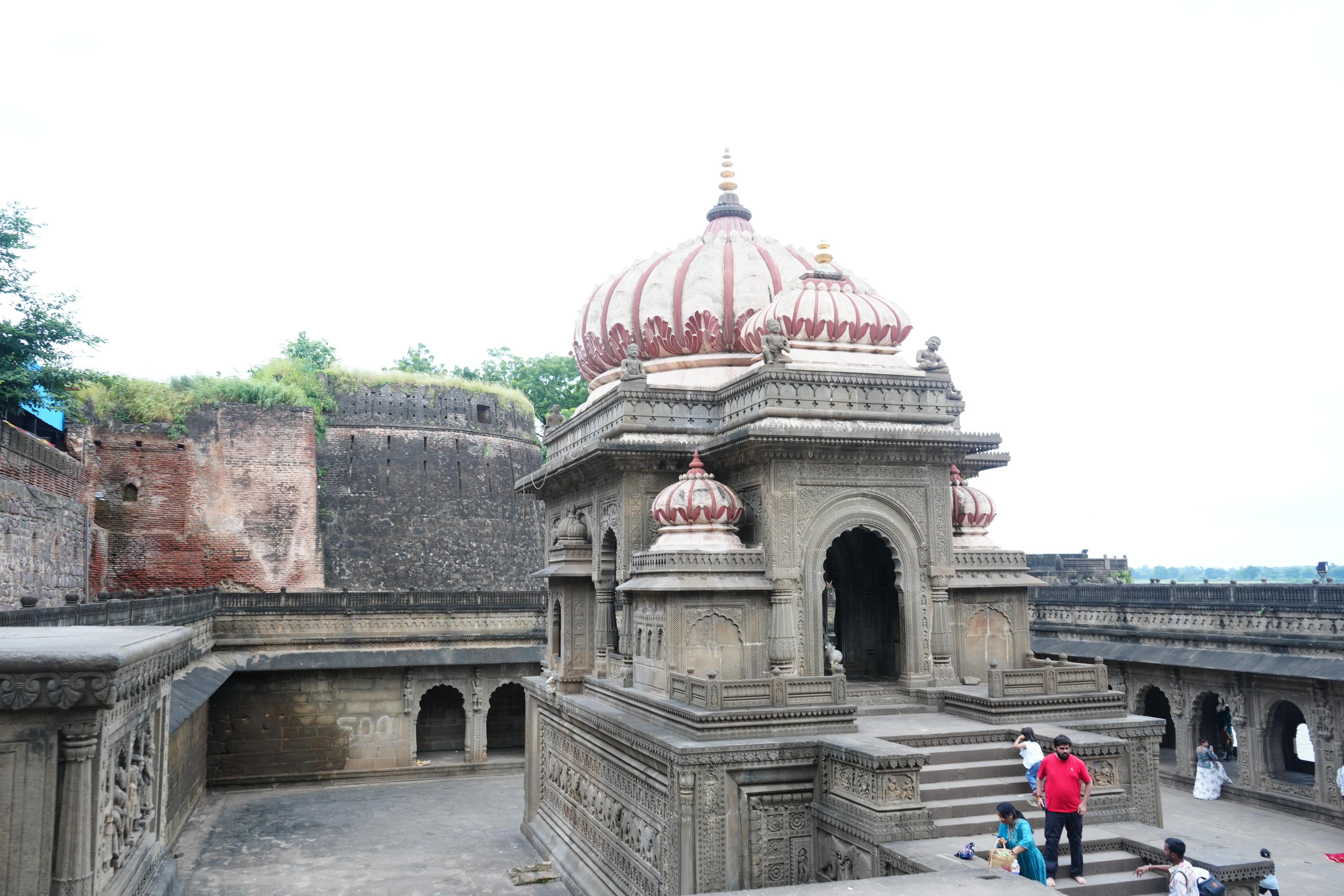
A temple of Vishnu in Maheshwar, where he is worshipped as Pandharinath, a form honoured by the Vaishnava saints of the thirteenth to seventeenth centuries.
10:00 am – 7:00 pm
Tue 1 Dec
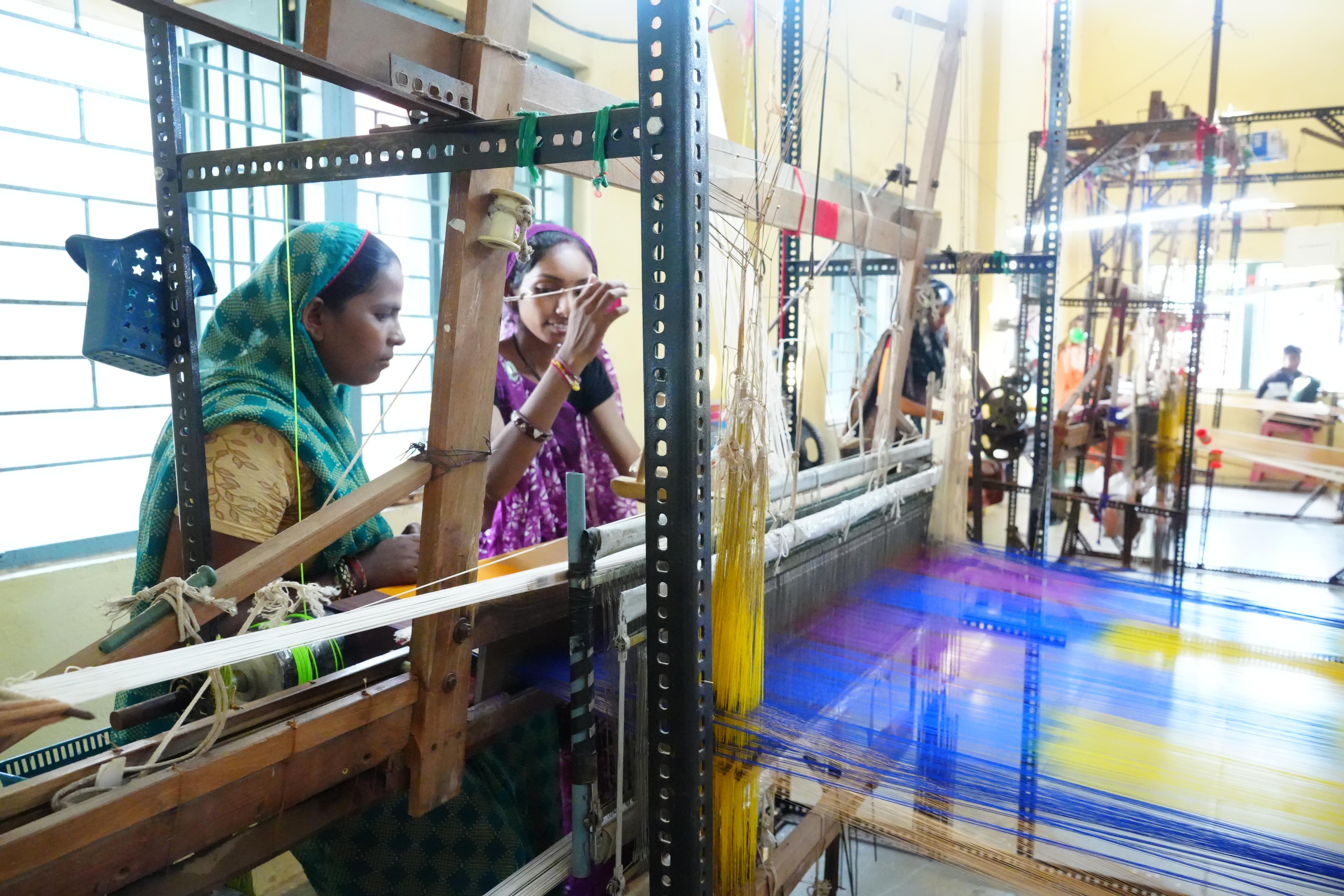
Weaving in Maheshwar goes back to the eighteenth century, when Ahilyabai Holkar brought weavers to the town. You watch saris being woven on handlooms, thread by thread. A Maheshwari sari is light, in cotton or silk and cotton, and is known for its reversible border, which can be worn either way out.
10:00 am – 7:00 pm
Tue 1 Dec
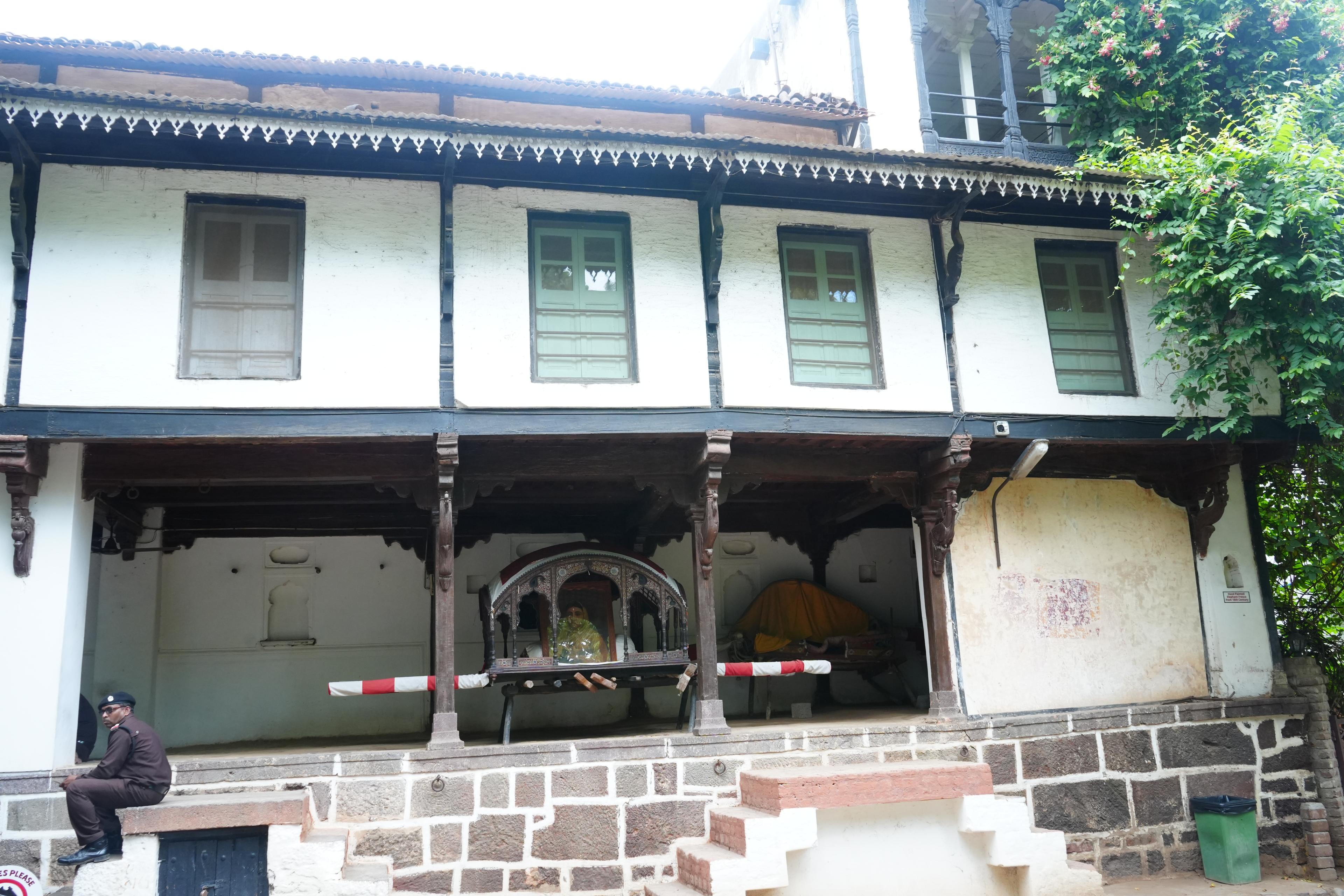
The court and residence of Ahilyabai Holkar, built mostly of wood on a stone platform about a metre high. Half of it is now a heritage hotel and half a museum open to the public.
10:00 am – 7:00 pm
Tue 1 Dec
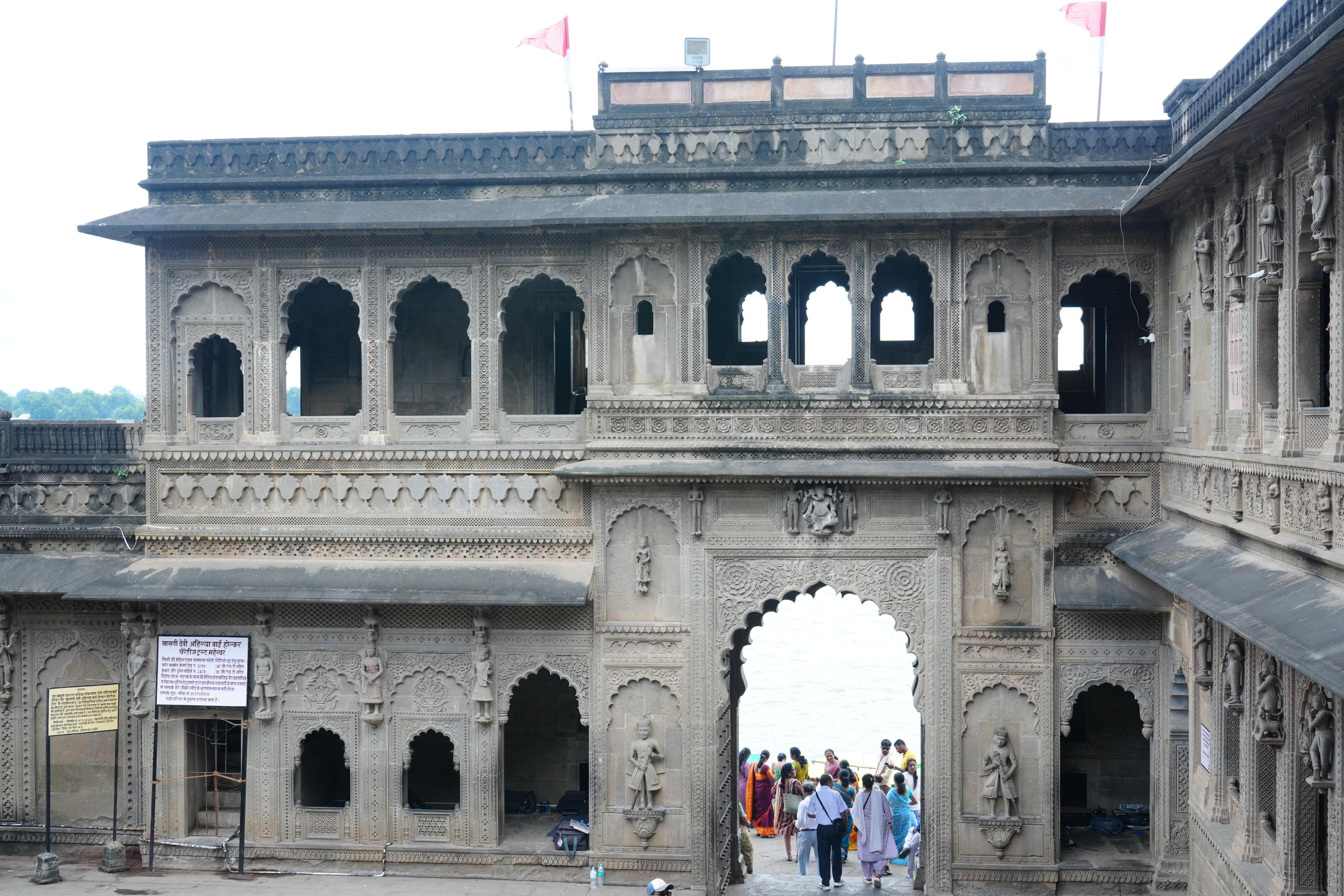
One of the entrances to the fort, on its north side. Its passage is wide and ramped, which suggests it was built for elephants; today it is used only by people on foot.
10:00 am – 7:00 pm
Tue 1 Dec
A stretch of the Narmada where the river breaks into many small streams over rocky ground. The name means a thousand streams. It is reached by boat from Maheshwar.
12:00 pm – 2:00 pm
Tue 1 Dec
Lunch, taken in the middle of the day.
8:00 pm – 10:00 pm
Tue 1 Dec
Dinner, taken together in the evening.
10:00 pm
Tue 1 Dec
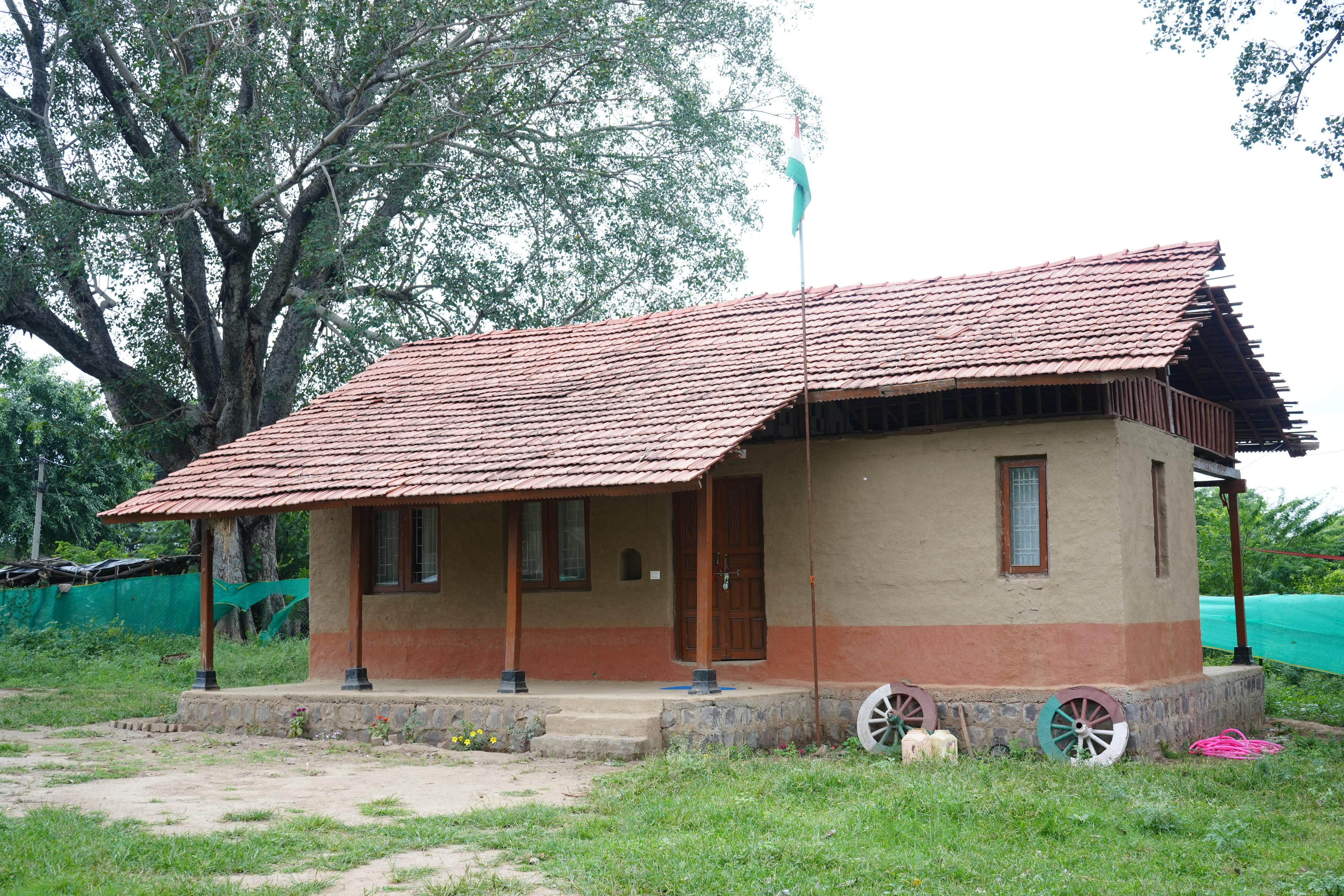
The night is spent at the home stay.
8:00 am – 9:00 am
Wed 2 Dec
The first meal of the day, taken before the day's programme begins.
10:00 am – 7:00 pm
Wed 2 Dec
One of the twelve jyotirlingas of Shiva, on Mandhata, an island in the Narmada that is said to take the shape of the sacred syllable Om.
10:00 am – 7:00 pm
Wed 2 Dec
The second half of the Omkareshwar pair, on the mainland on the south bank of the Narmada, near Gomukh Ghat. Pilgrims visit both temples.
10:00 am – 7:00 pm
Wed 2 Dec
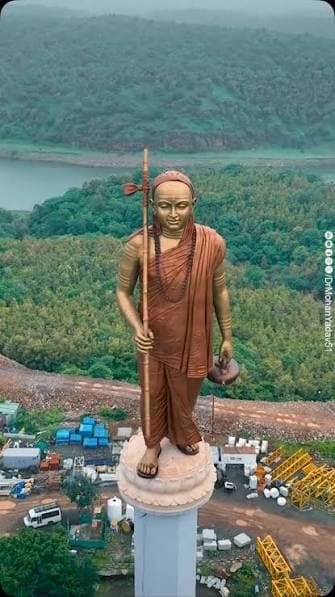
A complex on Mandhata hill in honour of Adi Shankaracharya and his philosophy of Advaita Vedanta. Its centrepiece is a statue of the philosopher, unveiled in September 2023.
10:00 am – 7:00 pm
Wed 2 Dec
An eleventh-century temple attributed to the Parmar dynasty, on Mandhata island, about four kilometres from the main temple.
10:00 am – 7:00 pm
Wed 2 Dec
The meeting of the Narmada and the Kaveri, a local tributary. By local belief the two sisters meet, part and meet again, never to separate. It is a stop on the parikrama, the pilgrim's walk around Mandhata hill.
12:00 pm – 2:00 pm
Wed 2 Dec
Lunch, taken in the middle of the day.
8:00 pm – 10:00 pm
Wed 2 Dec
Dinner, taken together in the evening.
What is arranged
Getting yourself to Indore Airport (Devi Ahilyabai Holkar Airport) is the only arrangement you make. Everything from there onward is included in the price.
Every guest is given a private room for the whole stay.
Every meal is included, from arrival to departure.
One air-conditioned vehicle with a driver, for the whole journey.
A translator travels with the group and stays with you throughout.
A photographer covers each ceremony. Every photograph you appear in is yours, in full.
A pagdi, tied for you before the procession by someone who has done it for years. Yours to keep.
Before you ask
Join the Journey
शुभ विवाह
An auspicious wedding
Chandrashekhar weds Monika
25 November 2026 – 2 December 20264 of 4 places left₹2,20,000 · ≈ $2,355